FAQs
1.Waste Bin
What Are the Colours of the Bins in Dubai?
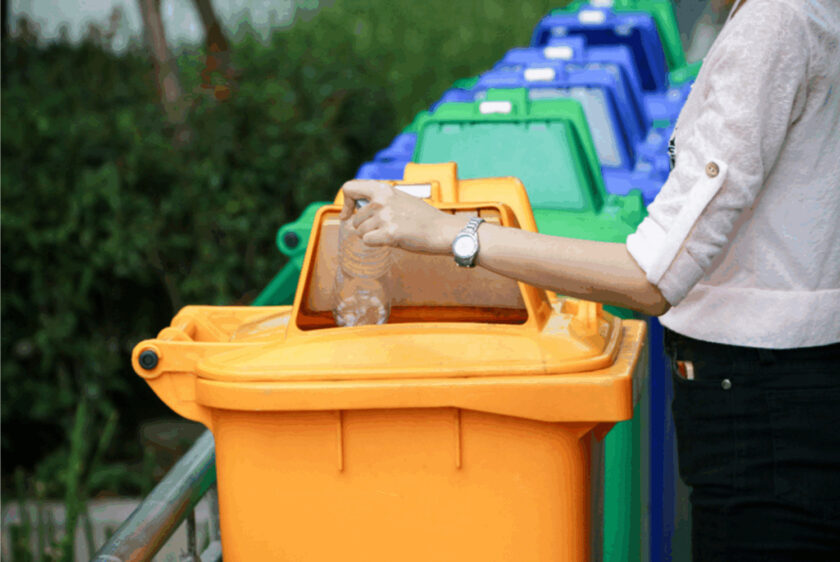
In Dubai, colour-coded waste bins are commonly used to support waste segregation and more efficient recycling. AHR Group’s published FAQ identifies green, blue, yellow and red as commonly used colours, with each colour associated with a different waste stream.
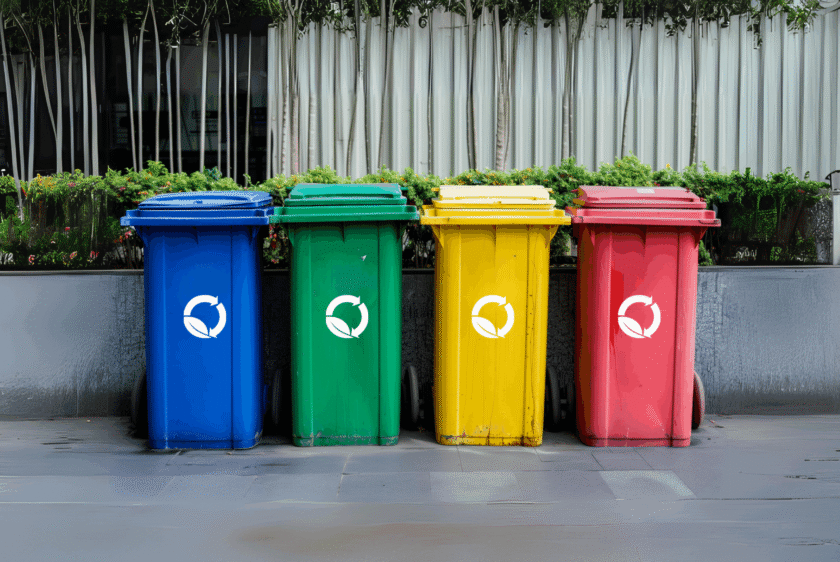
- Green bins: General waste
- Blue bins: Recyclable materials such as paper and cardboard
- Yellow bins: Plastics, cans or designated recyclable/medical waste, depending on the waste-management system
- Red bins: Hazardous or clinical waste
However, bin colours can vary by facility, waste stream and local waste-management requirements, so the label or signage on the individual bin should always be followed. AHR also notes that colour coding helps businesses and residents separate waste correctly and improve collection efficiency.
For businesses, hotels, offices, malls and industrial facilities in Dubai, choosing clearly labelled and appropriately colour-coded bins can support better waste segregation, cleaner recycling streams, improved hygiene and more organised waste management. AHR provides customizable waste-bin and recycling solutions for different commercial and industrial applications.
2.Garbage Trolley
What materials are used to manufacture AHR garbage trolleys?
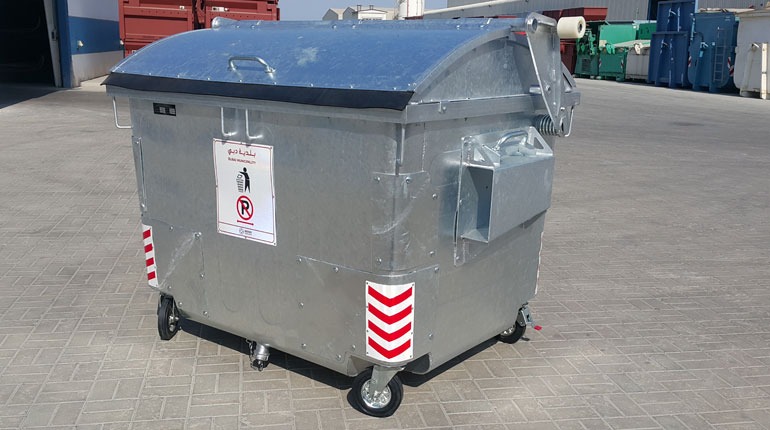
AHR garbage trolleys are manufactured using hot-dip galvanised steel, selected for its strength, durability and resistance to corrosion. This construction makes the trolleys suitable for demanding commercial, industrial and outdoor waste-management environments where frequent handling and exposure to moisture or changing weather conditions can occur. AHR’s current garbage trolley specification lists an 1,100-litre capacity, 440 kg maximum load and approximately 125 kg trolley weight, along with corrosion-resistant 200 mm wheels and standard lifting trunnions.
Hot-dip galvanising protects the underlying steel with a zinc coating, helping reduce rust and extend the service life of the trolley. This is particularly valuable for waste-collection equipment used in the UAE’s demanding environmental conditions. AHR also describes its broader product range as focused on durable waste-management solutions for commercial and industrial applications.
3.MGB Waste Bin
What is the maximum load capacity of an AHR MGB waste bin?
The maximum load capacity of an AHR MGB waste bin depends on the bin size and model. According to AHR Group’s current product specifications, its MGB range includes 120L, 240L and 360L models, with maximum gross loads of approximately 60 kg, 110 kg and 160 kg, respectively.
MGB Capacity | Maximum Gross Load |
120L | 60 kg |
240L | 110 kg |
360L | 160 kg |
These load ratings make AHR MGB bins suitable for a wide range of residential, commercial, industrial and outdoor waste-collection applications. The bins are also specified with EN 840 and RAL GZ 951/1 certifications and feature 200 mm rubber wheels with corrosion-resistant steel axles for practical mobility.
For safe and efficient waste management, always select the MGB size according to the type, density and volume of waste, rather than capacity alone. For heavier materials, the manufacturer’s stated maximum load should never be exceeded.
4.Designer Bins
What Types of Designer Bins Does AHR Group Offer in Dubai and the UAE?
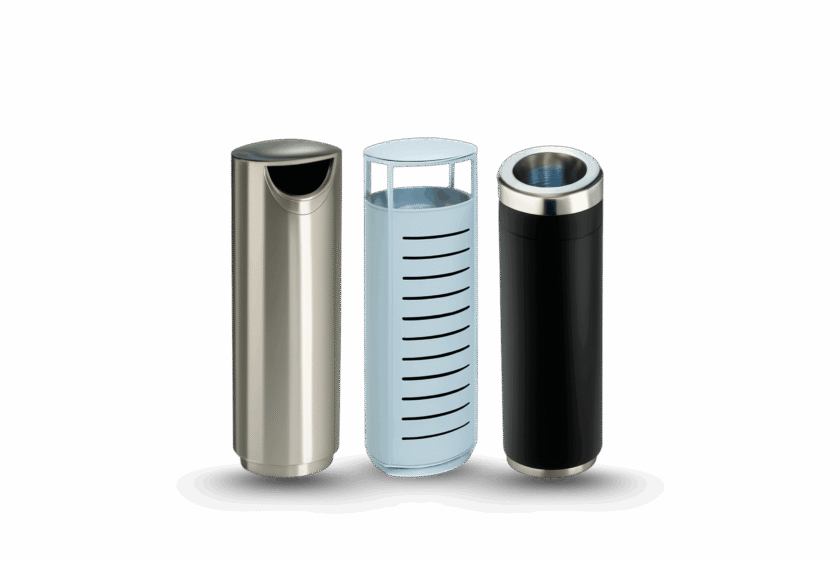
AHR’s designer-bin range includes stainless-steel and powder-coated metal bins, recycling bins, dual-compartment bins, food-court bins, pole- and wall-mounted bins, ashtray bins, dog-waste bins, DINOVA bins and specialised outdoor solutions. Options are available in materials such as 304/316 stainless steel, galvanised steel, aluminium, wood, Durapol™ and polycarbonate, depending on the model.
Many models can also be customised with laser-cut Mashrabiya patterns, company logos, personalised recycling graphics, colour finishes, different lid or aperture options and ground-mounting systems. AHR also offers dedicated solutions for food courts, public spaces, recycling areas and pet-waste collection.
This combination of durability, customisation and contemporary design makes AHR designer bins suitable for projects where appearance and efficient waste segregation are equally important
5.Baler Machine
What Is a Baler Machine and How Does It Work?
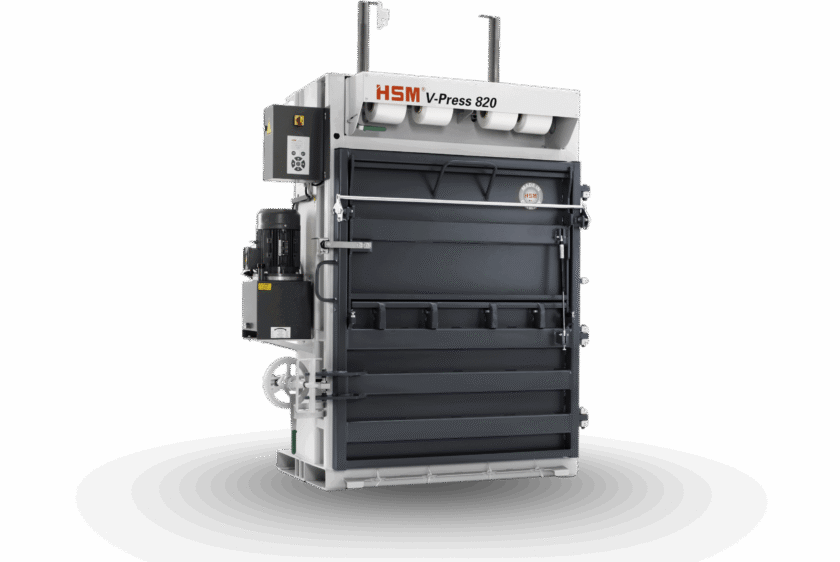
A baler machine is an industrial waste-compaction system designed to compress recyclable materials such as cardboard, paper, plastics, aluminium cans and textiles into dense, manageable bales. By significantly reducing the volume of loose waste, a baler helps businesses optimise storage space, simplify handling and improve the efficiency of recycling and transportation. AHR Group offers baler solutions in Dubai and across the UAE for commercial, logistics, manufacturing and recycling applications.
The machine works by loading recyclable material into a chamber, where a powerful mechanical or hydraulic pressing system applies controlled pressure to compress the material. Once the desired bale density is achieved, the compressed material is secured using strapping, creating a stable bale that can be stored, moved or transported efficiently. AHR’s listed models provide pressing forces from 40 kN to 594 kN, with bale weights of approximately 60 kg to 480 kg, depending on the model.
6.Standard Hook Lift Containers
What is the difference between a 10 m³ and 20 m³ hook lift container?
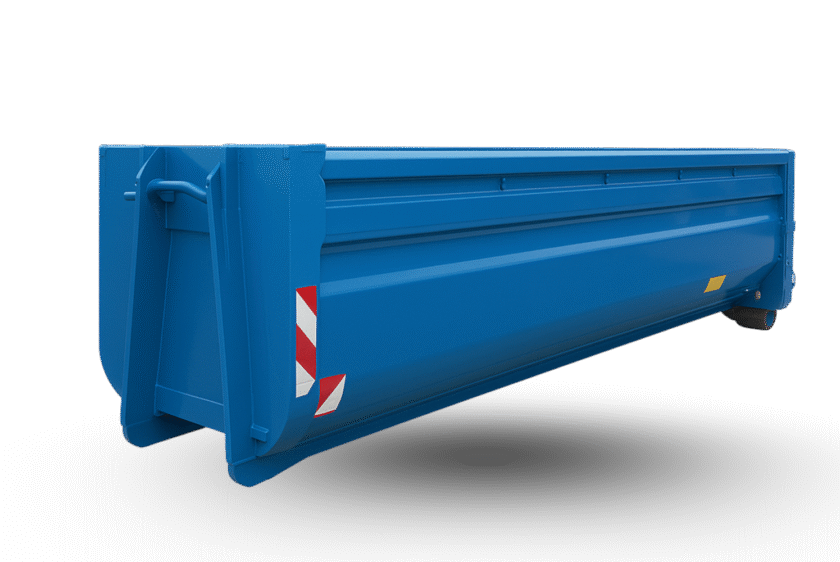
The main difference between AHR Group’s 10 m³ and 20 m³ hook lift containers is their capacity, dimensions and intended waste volume. The 10 m³ model measures approximately 5,000 × 2,400 × 850 mm and weighs around 1,750 kg, making it suitable for projects with moderate waste volumes. The 20 m³ model measures approximately 5,500 × 2,400 × 1,500 mm and weighs around 2,400 kg, providing substantially greater volume for high-volume waste collection.
Both models are manufactured using Domex 460 / S460 MC steel and feature a 50 mm hook designed according to DIN 72230 Part 1, supporting reliable loading, transportation and unloading.
For construction, demolition and industrial applications, the 10 m³ container can be a practical choice where space or waste volume is limited, while the 20 m³ container is better suited to larger waste streams and longer collection cycles. The right choice ultimately depends on waste volume, available space, vehicle compatibility and project requirements.
7.Waste Skip
Are AHR Waste Skips Suitable for Construction and Demolition Waste?
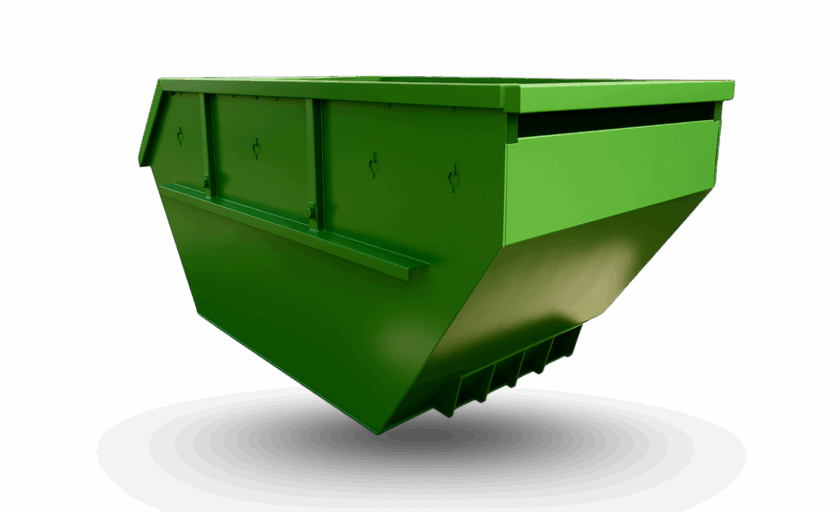
Yes. AHR waste skips are specifically designed to support demanding waste-management requirements, including construction and demolition (C&D) waste. Their heavy-duty steel construction makes them suitable for handling materials commonly generated on construction sites, such as concrete, bricks, rubble, wood, metal and other bulky debris. AHR provides waste skips in capacities ranging from 5.5 m³ to 15 m³, allowing contractors to select a container according to project size and waste volume.
For heavier construction applications, AHR offers an optional reinforced construction-waste specification, increasing the bottom plate to 8 mm and side walls to 5 mm. The skips also feature a chain lifting system, heavy-duty lifting bolts, welded construction, safety-reflection stickers and epoxy coating for durability. Optional forklift pockets, crane hooks and anti-corrosive GRP lining are available for specific project requirements.
For Dubai and UAE construction projects, selecting the correct skip size and configuration helps improve site organisation, worker safety, waste segregation and efficient collection and transportation.
8.Debris / Rubbish Chutes
What Types of Construction Waste Can Be Disposed of Through a Debris Chute?
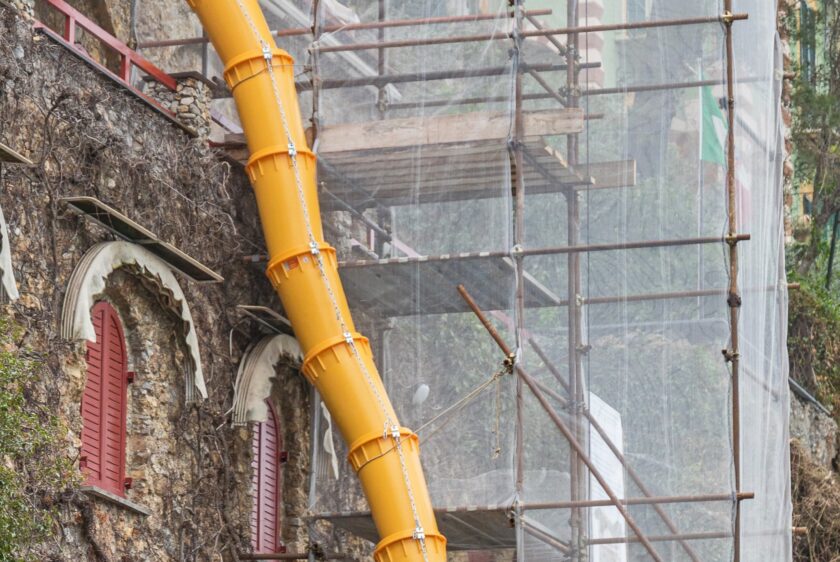
AHR Group’s debris/rubbish chutes are designed to provide a controlled and efficient way to move construction waste from upper floors to a designated collection point. They are particularly useful on multi-storey and high-rise construction sites, helping reduce manual handling, debris scattering and site congestion.
Suitable materials can include common non-hazardous construction debris such as wood, plaster, concrete fragments, bricks, rubble and general building waste. AHR specifically notes that debris chutes are intended for general construction waste, while hazardous or oversized materials should not be placed into the chute.
For larger construction projects, the chute can direct waste directly into a waste skip or suitable collection container, helping keep work areas cleaner and more organized. AHR offers durable PVC debris chutes in different lengths and configurations for construction applications across Dubai and the UAE.