
Understanding the Color Codes of Recycle Bins and Their Importance
Recycling has become one of the most effective ways to protect our planet and reduce waste. Every day, we throw away paper, plastic, food, and many other items that can actually be reused. To make recycling easier and more efficient, many cities and organizations now use color-coded recycle bins. These bins are not just colorful containers — each color has a meaning. Understanding what these colors stand for helps people separate their waste correctly, keeping our surroundings clean and supporting a greener environment.What Are Color-Coded Recycle Bins?
Color-coded recycle bins are waste containers that use different colors to represent different types of waste. The main goal of this system is to help people quickly identify where to throw their trash. When everyone follows the color guide, it becomes much easier to collect, sort, and recycle waste. This simple method also reduces confusion and keeps recyclable materials clean.Common Color Codes and Their Meanings
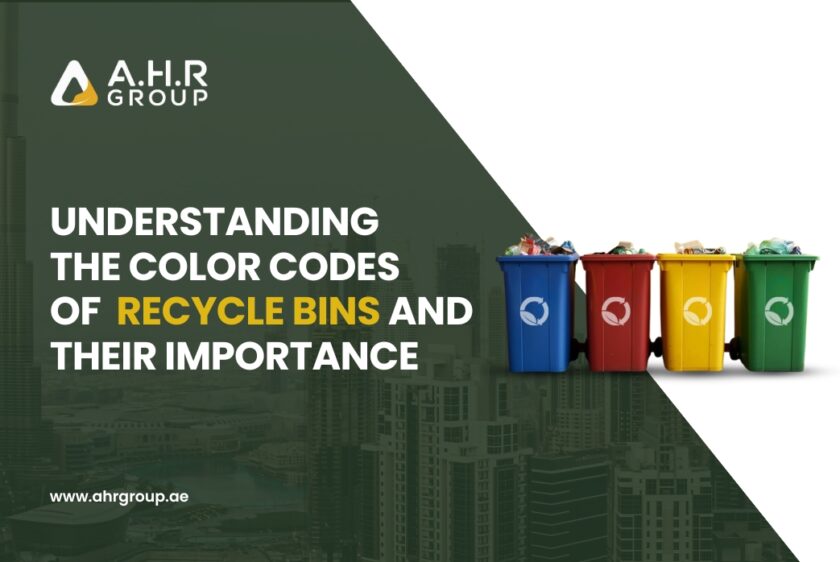
Although recycling color codes can differ from country to country, most places use similar meanings for each color. Here’s a general guide:- Blue Recycle Bin: Used for paper and cardboard, like newspapers, magazines, and cartons.
- Green Recycle Bin: For organic or biodegradable waste, such as food scraps, garden leaves, and other compostable items.
- Yellow Recycle Bin: Used for plastic bottles, cans, and packaging materials. In some regions, it also includes mixed recyclables.
- Red Recycle Bin: For hazardous or non-recyclable waste, such as medical waste, batteries, and paint cans.
- Black or Grey Recycle Bin: For general waste that cannot be recycled or composted.
Importance of Color-Coded Recycle Bins
1. Makes Waste Segregation Easy
Color-coded bins help people quickly identify where to throw their waste. By following a simple color system, even small children or new users can sort their trash correctly. This encourages more people to participate in recycling efforts.2. Reduces Contamination
When different kinds of waste are mixed, it becomes difficult or impossible to recycle them. For example, if leftover food is thrown into a bin meant for paper, that paper cannot be reused. Color-coded bins prevent this by keeping waste separated and clean.3. Encourages Sustainable Habits
Seeing color-coded recycle bins every day reminds people to be responsible with their waste. Over time, this builds awareness and encourages eco-friendly habits at home, work, and school.4. Improves Waste Collection Efficiency
For waste management teams, color-coded bins make collection faster and easier. Workers can immediately recognize which bins contain recyclable materials, organic waste, or hazardous items, saving time and effort.5. Supports Environmental Protection
When waste is separated correctly, more materials can be recycled and reused. This reduces landfill waste, saves energy, and cuts down air and water pollution. In short, using recycle bins the right way helps protect the planet.6. Creates Awareness Everywhere
Color-coded bins also act as a visual reminder about recycling and sustainability. Whether you are in a school, office, park, or shopping mall, these bins teach people how to take care of the environment.Where to Use Color-Coded Recycle Bins
Color-coded recycle bins can be used almost anywhere:- Homes: Separate food waste, paper, and plastics for easy recycling.
- Offices: Encourage staff to recycle documents, bottles, and packaging.
- Schools: Teach students about recycling and protecting the environment.
- Public Areas: Parks, malls, and stations benefit from clean and organized waste systems.
- Hospitals: Use red bins for hazardous or medical waste to ensure safety.
Tips for Using Color-Coded Recycle Bins Effectively
- Label Bins Clearly: Add simple pictures or words to show what belongs in each bin.
- Educate Everyone: Teach employees, students, or residents about what each color means.
- Keep Bins Clean: Wash bins regularly to avoid bad smells and pests.
- Place Bins in Key Areas: Keep them in visible and easy-to-access locations.
- Review and Improve: Check recycling progress and make changes if needed.