How Are Designer Bins Different from Regular Bins?
When most people think about waste bins, they imagine a simple container that holds trash until it’s taken out. But in modern homes, offices, and public spaces, a designer bin is more than just a waste receptacle—it’s an aesthetic statement, a functional upgrade, and sometimes even a smart, eco-friendly solution.
If you’ve ever wondered why people invest in designer waste bins or how they compare to standard models, you’re in the right place. In this post, we’ll break down the key differences, explore the benefits, and help you choose the right bin for your needs.
The Pain Point: Why Regular Bins Fall Short
Standard bins get the job done, but they often:
- Clash with interior décor
- Lacks specialized features for hygiene or odor control
- Use low-quality materials that wear out quickly.
- Offer limited recycling or composting options.
This is where bin design plays a significant role—transforming an everyday object into something beautiful, durable, and highly functional.
What Makes Designer Bins Stand Out
1. Aesthetic Appeal and Style
One of the most apparent differences is appearance.
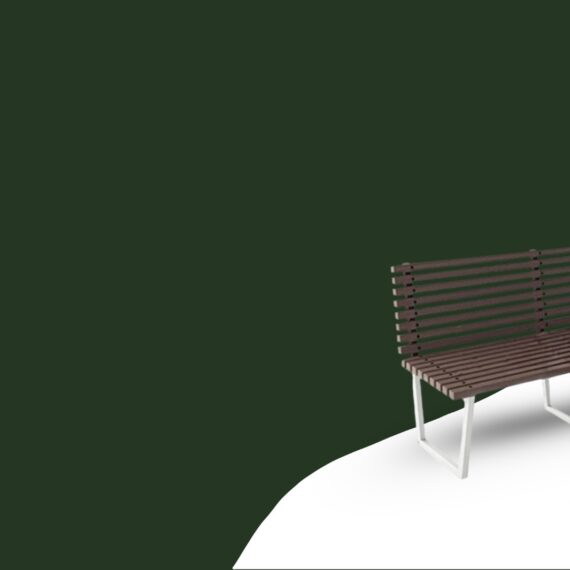
- Designer kitchen bins come in premium finishes like brushed steel, matte black, or wood textures.
- Designer bread bins and waste bins are often designed to complement countertops, cabinetry, or modern appliances.
- Rubbish bin design can include sleek lines, hidden lids, and minimalistic forms that make them blend seamlessly into your décor
Unlike regular bins, which are often hidden away, designer bins can be displayed proudly in open spaces without looking out of place.
2. Material Quality and Durability
A designer waste bin is usually made from high-quality materials such as stainless steel, powder-coated metal, or premium-grade plastics. These materials are:
- More resistant to rust and staining
- Easier to clean and maintain
- Longer-lasting compared to cheaper alternatives
Whether you’re looking for an indoor design trash bin or an outdoor sea bin design for marine debris collection, quality materials ensure your bin withstands daily use.
3. Functional Innovations
Modern smart bin designs often include features you won’t find in regular waste bins:
- Motion-sensor lids for hands-free use
- Built-in odor filters
- Segmented compartments for recycling and general waste
- Integrated bag storage for convenience
Some models even come with Wi-Fi connectivity to alert facilities teams when they’re full—a big plus for commercial spaces.
4. Specialized Options for Recycling and Composting
If sustainability matters to you, consider recycling bin designs and compost bin design plans for an eco-friendly edge.
- Compost bin designs use ventilation systems to speed up decomposition and reduce odors.
- Smart compost bins can grind and dehydrate food scraps into compost material in hours.
- Designer recycling bins have separate compartments clearly labeled for plastics, paper, and glass.
With the right compost bin design, even small apartments can manage organic waste without mess or smell.
5. Customization and Size Variety
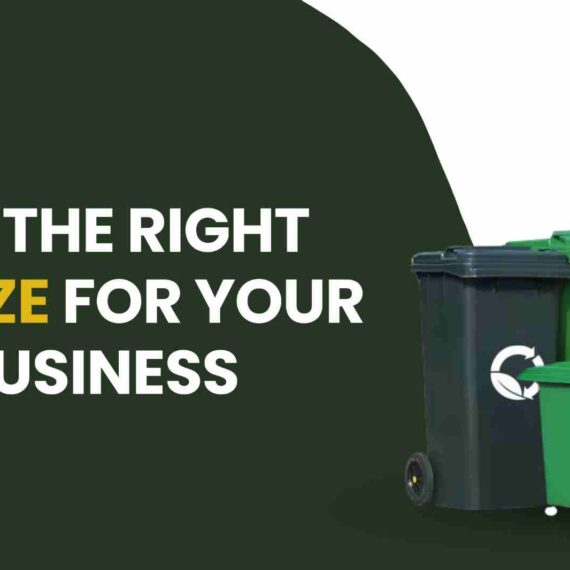
A standard bin usually comes in one or two sizes. In contrast, designer bins are available in a range of sizes, shapes, and finishes—perfect for tailoring to your needs:
- Slimline designs for tight spaces
- Large-capacity bins for busy households
- Compact countertop bins for composting
You can even customize your design waste bin to match your brand colors in commercial settings.
6. Common Mistakes to Avoid When Choosing a Designer Bin
Even with premium options, you can make mistakes that reduce the value of your purchase. Avoid:
- Choosing style over function (looks nice, but too small or hard to use)
- Ignoring lid type (swing lids may cause odor issues in kitchens)
- Forgetting about ease of cleaning (complicated designs may be more complex to wash)
Always balance bin design aesthetics with practical needs.
Step-by-Step Guide to Choosing the Right Designer Bin
Here’s a quick decision process to find the best bin:
- Identify the Purpose – Kitchen, office, outdoor, or specialty (e.g., sea bin design for marine debris).
- Set Your Capacity Needs – Consider how much waste you generate daily.
- Select Material & Finish – Stainless steel for durability, or wood finish for warmth.
- Check Functional Features – Odor control, hands-free operation, recycling compartments.
- Match the Style – Coordinate with your existing furniture, appliances, or interior design theme.
Why Designer Bins Are Worth It
While designer bins may cost more upfront, they offer:
- Longevity– Built to last years longer than regular bins.
- Aesthetic value – Enhances the look of your home or workspace.
- Better hygiene – Innovative designs for cleaner waste management.
- Eco-friendliness – Support recycling and composting efforts.
When you consider these factors, investing in a designer waste bin is both a functional and stylish choice.
Final Takeaway
A designer bin is more than a waste container—it’s a style statement, a hygienic solution, and often a sustainability tool. Whether you’re upgrading to a smart bin design, planning a compost bin design, or choosing a designer kitchen bin, the right choice can transform waste management into something efficient and beautiful.
Ready to upgrade your bin game? Browse AHR Group‘s premium collection of designer waste bins today and find the perfect fit for your home or business.
FAQs:
1. Are designer bins more expensive?
Yes, designer bins usually cost more than regular bins, but they offer better durability, style, and features.
2. Can I use a designer bin outdoors?
Yes, as long as it’s made from weather-resistant materials like stainless steel or durable plastic.
3. Are designer bins easy to clean?
Yes, most can be cleaned with mild soap and water. Stainless steel bins may need a special cleaner to maintain their shine.
4. Do eco-friendly designer bins exist?
Yes, many designs focus on recycling, composting, and using sustainable materials.
5. How do I pick the right size?
Choose based on your daily waste amount, available space, and whether you need recycling compartments.